- Jan 11, 2026
Tune In & Chill Out: A Kundalini Guide to Happy Vagus Nerve Vibes
- Adi Nampreet
- The Inner Doorway
- 0 comments
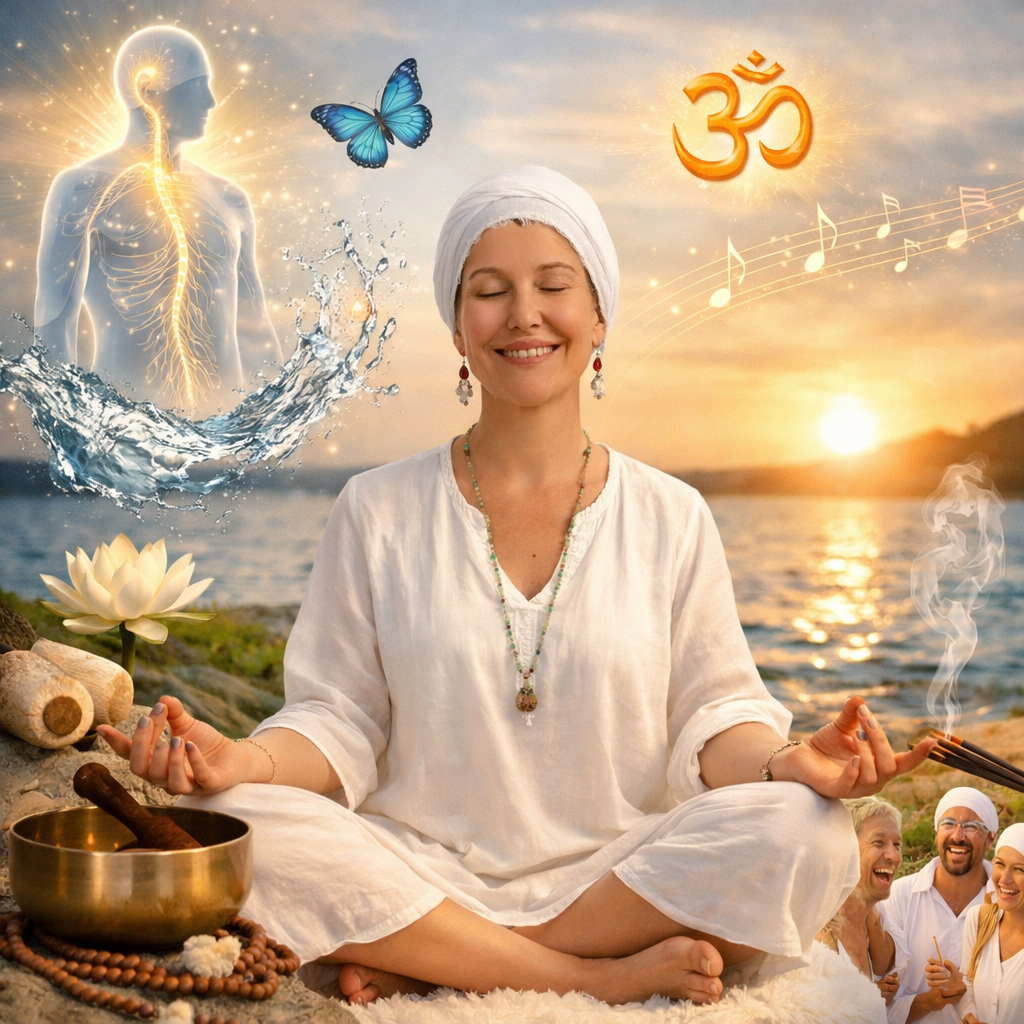
Have you ever felt a warm wave of calm roll through your body after a deep breath or a joyful chant? That gentle shift holds a secret gateway to balance, vitality, and a steady heart. Welcome to the vagus nerve, a friendly superhighway of communication between body and mind, celebrated for centuries in Kundalini Yoga as taught by Yogi Bhajan.
Modern wellness conversations highlight the vagus nerve as a key player in relaxation, digestion, and emotional ease. Kundalini Yoga has always shared tools that support this inner harmony through breath, sound, movement, and awareness. Let’s explore playful, uplifting ways to refresh your vagus nerve the Kundalini way.
Breathe Like a Yogi
Breath stands at the center of Kundalini Yoga. Long Deep Breathing invites the diaphragm to move fully, massaging the vagus nerve with every inhale and exhale. Sit tall, place a hand on the belly, and let the breath flow slowly through the nose. The rhythm creates a soothing message of safety and ease throughout the body.
Another beloved practice is Breath of Fire. This rhythmic, pumping breath energizes the system and awakens inner vitality. Short, equal breaths through the nose bring clarity and spark, leaving a bright and balanced feeling afterward.
Chant and Let Sound Carry You
Sound carries powerful vibrations. In Kundalini Yoga, chanting offers a joyful path to vagus nerve harmony. Mantras like “Sat Nam” create gentle vibrations in the throat and chest, areas closely connected with the vagus nerve. Chanting aloud or softly sends a ripple of calm through the nervous system and lifts the mood with every syllable.
Try a few minutes of chanting in the morning. Feel the resonance travel through the body like a friendly hum, tuning every cell toward balance.
Move the Spine, Light Up the Nerve
Yogi Bhajan often shared that a flexible spine supports a flexible life. Spinal movements stimulate the vagus nerve by encouraging healthy circulation of cerebrospinal fluid. Cat-Cow, spinal flexes, and gentle twists awaken awareness along the entire back body.
Flow with the movements, breathe deeply, and enjoy the sense of openness that follows. These kriya-style exercises feel like a cheerful conversation between the spine and the nervous system.
Cool Splash of Awakening
A refreshing splash of cool water on the face brings a spark of alert calm. This simple ritual aligns beautifully with yogic traditions that honor the power of water. In the morning, gently splash cool water across the cheeks and eyes. The sensation activates facial nerves connected with the vagus nerve and leaves a bright, refreshed feeling.
Pair this ritual with a smile and a deep breath for an instant uplift.
Eye Gazing and Soft Focus
The eyes connect deeply with the nervous system. Kundalini Yoga uses eye focus, called drishti, to guide energy and awareness. A soft gaze at the tip of the nose or the brow point during meditation invites the mind into a peaceful rhythm.
Spend a few minutes with eyes softly focused and breath flowing. The experience feels grounding and expansive at the same time.
Laughter, Joy, and Community
Yogi Bhajan emphasized joy as a spiritual practice. Laughter yoga, group chanting, and shared movement create social connection, a beautiful ally of the vagus nerve. Singing together or sharing a smile builds a sense of belonging that naturally supports nervous system balance.
Dance to uplifting music, chant with friends, or enjoy a hearty laugh. These moments nourish the heart and bring lightness to the entire being.
Rest in Meditation
Kundalini meditations offer deep rest while staying awake and aware. Practices such as Kirtan Kriya combine sound, mudra, and focus in a way that gently supports vagal tone. Sitting quietly with a mantra allows the nervous system to settle into a harmonious rhythm.
Even a few minutes each day creates a lasting sense of ease and clarity.
A Living Practice of Balance
Kundalini Yoga as taught by Yogi Bhajan shares timeless tools that align beautifully with today’s understanding of the vagus nerve. Breath, sound, movement, water, gaze, and joy come together as a playful toolkit for vibrant living.
Choose one practice today and enjoy the shift. Your body listens, your mind responds, and your spirit smiles.
Sat Nam.